
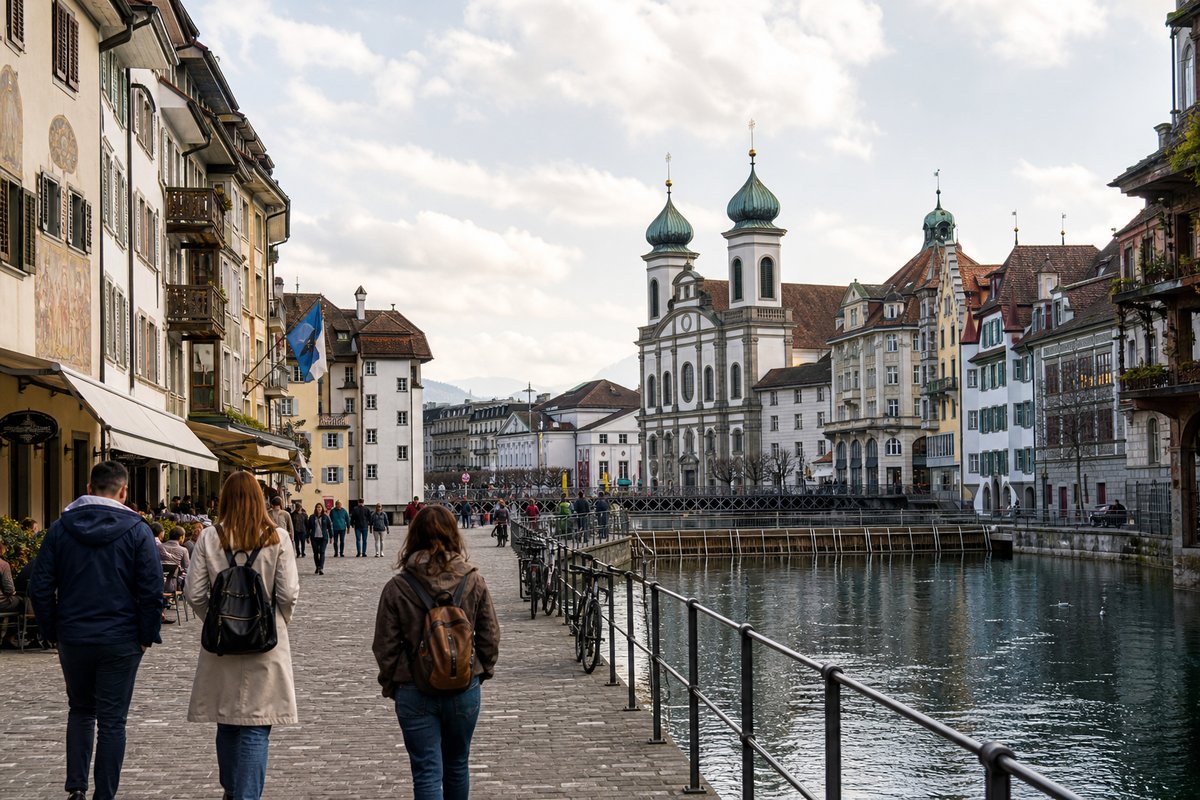
Travelers planning a European trip often assume the euro is the default currency across the continent, but that is not the case everywhere. According to the report, six European Union member states still use their own money rather than the euro, even though most countries that join the bloc are expected to adopt it. For visitors, that means a chance to experience familiar European destinations through different exchange rates, and in some cases to find their spending power goes a bit further.
Each of the six countries has its own character, from historic capitals to major natural landmarks. The Czech Republic stands out for its castles, Prague Castle, and a beer-making tradition that dates back to 993 AD. Denmark offers Copenhagen’s colorful Nyhavn, design museums, and one of Europe’s longest shopping streets. Hungary combines Budapest’s famously scenic architecture with thermal waters, Lake Balaton, and the Danube. Poland is rich in medieval castles and major World War II museums, while Romania is known for villages, dramatic castles, the Danube Delta, and the Scărișoara glacier. Sweden, meanwhile, is presented as a country of strong economic stability and wide-ranging natural attractions.
The currencies used in these countries are the Czech koruna, Danish krone, Hungarian forint, Polish zloty, Romanian new leu, and Swedish krona. The report notes that staying outside the euro also gives these nations more control over their own monetary policy, including exchange and interest rates, and shields them from some of the risks tied to the wider euro currency union. For travelers, though, the main appeal may simply be the mix of distinctive cultures and the possibility of a more favorable conversion rate on a Europe trip.
Source: cntraveler.com