
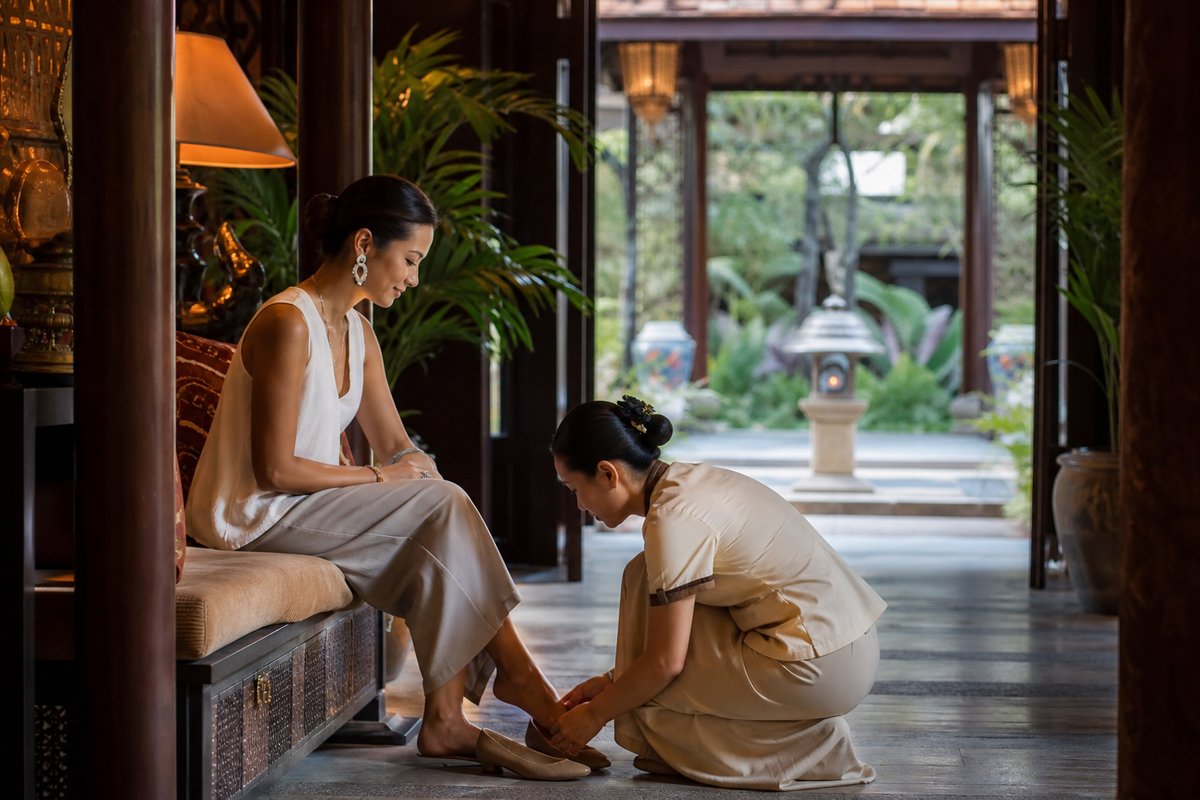
Travel is increasingly being shaped by a Japanese idea that prizes foresight over formality. Known as omotenashi, the concept is often described as hospitality, but according to the report it goes further than good service: it is the ability to notice what a guest may need, feel, or appreciate, and respond before that need is voiced. In luxury travel, that can mean experiences that feel deeply personal without becoming intrusive.
The report points to several examples that show how this mindset works in practice. On safari in Tanzania, Micato arranged for milkshakes to be delivered to an American couple celebrating their 50th wedding anniversary after they mentioned that the drink had marked every anniversary since their first date. Because many bush camps have limited power and no freezers, the request required ice cream to be bought in Nairobi, packed in dry ice, flown by charter aircraft to Tanzania, turned into milkshakes in camp, and then delivered by vehicles meeting along the route. The result was less about dessert than about remembering something meaningful to the travelers.
In Japan, the same principle is linked to chado, the tea ceremony, where attention to detail is central. At Hoshinoya Tokyo, a contemporary ryokan in central Tokyo, staff store guests’ shoes in bamboo boxes at the entrance and have the correct pair ready when they leave, based on what the general manager described as close internal communication, careful observation, and precise memory. The report says this style of care is now appearing in hotels and tour operations far beyond Japan, from The St. Regis Venice, where staff prepared a suite with pajamas, toiletries, and a children’s bedtime story after a family’s luggage was lost, to HADCO Experiences in Trinidad and Tobago, where staff spent about three hours helping a wheelchair user reach the Oilbird Cave on a difficult rainforest trail so he could see a bird he had long hoped to add to his life list.
Across these examples, the common thread is a form of hospitality that is practical, responsive, and quietly thoughtful. Rather than relying on scripted gestures, omotenashi values the kind of attention that turns a trip into something that feels understood as well as well served.
Source: cntraveler.com